.jpg)
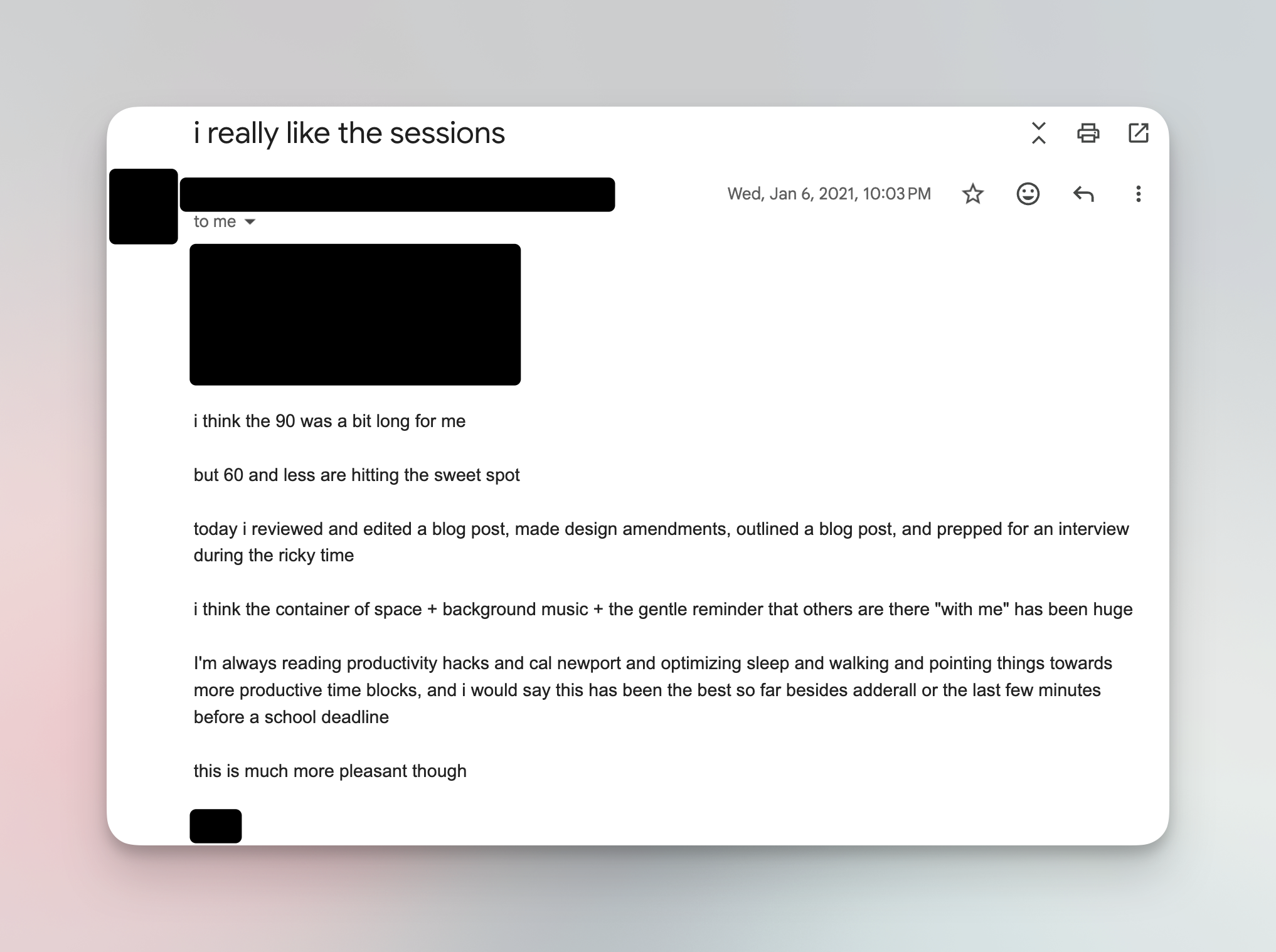
When I first heard the term “body doubling,” I did not know what it meant. Like most founders, you build to test some hypothesis, and in the process you discover what you are actually building. Early on, a Flow Clubber casually remarked to me how Flow Club is the best body doubling platform for ADHD. I scrambled to learn everything I can about body doubling, and even put together an article to highlight the science and research behind the mechanism.
What is body doubling?
Body doubling is a term coined by ADHD coach Linda Anderson to describe a strategy many of her clients find helpful for staying on task. The idea is that just by having another person present with you in the same room (physical or virtual), that person can serve as an anchor to help you stay on task. Intuitively, this makes sense. When we know someone else is in the room with us, we sit a little straighter and are a little less likely to get pulled into distraction. For a more detailed understanding, you can read my article the science and research behind the mechanism of body doubling.
Body doubling across cultures and communities
Over time, I couldn’t help but notice how humans have created different ways to body double to help them help themselves. Students form study groups and go to the library to study together. Group fitness classes are how millions of people trick themselves into exercising. Even part of the reason why we go to the office is so we can be amongst people whose presence help us get work done more efficiently.
Here are six examples of “body doubling” across different cultures and communities. They are all “separate, but together” arrangements aimed at helping people get more out of their effort and not be left to their own devices.
Dokseosil (Korea)

Study rooms with partitioned desks in a quiet environment, paid for by the hour. A staple of student life, especially during exam season. Modern, trendier versions are study cafes that are open 24/7. Here's a scene from popular K-Drama Reply 1988 that made dokseosils spread beyond Korea all over Asia.
Beit Midrash (Judaism)

the traditional Jewish study hall, where students pair up in chavrusas to read, analyze, and debate religious texts.
Mokumoku-kai (Japan)

Literally "silent silent gathering." A gathering type among the IT community in Japan where several people meet to work silently on their own, often to learn programming or grind on personal projects. Since we are in Japan, I can't not mention Tokyo's Manuscript Cafe where writers pay to declare their goals to the owner (eg "finish 2,000 words"), and they can't check out until they've accomplished their goal.
Shut Up & Write (global writing community)

Shut Up & Write! started in San Francisco around 2007 and spread to universities and writing groups globally. Writers gather in a café or library, write silently in timed sprints, take short breaks together. It’s one of the biggest groups on Meetup!
Silent Book Clubs (global reading community)

Silent Book Club was started in San Francisco in 2012, now with chapters around the world. People gather, read silently together for an hour, then chat briefly. There are manifestations of this concept in different places. My friend Helen Bui started one called Silver Lake Reading Club, which was featured in the Los Angeles Times.
Parallel Play (child development)
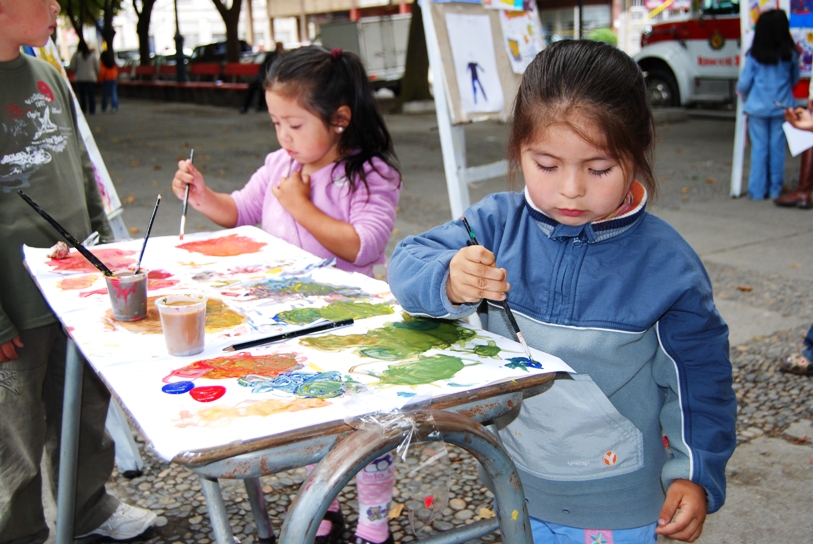
A form of play in which children engage in recreational activities adjacent to each other, without trying to influence one another's behavior. The children will see what others do and motify their play accordingly. In fact, body doubling is sometimes called "parallel work."
Body Doubling in Flow Club
.jpg)
If body doubling or similar concepts resonate with you as a clever way to stay more focused on what you're working on, try a Flow Club session for free. Flow Club runs online 24/7, so you can join from anywhere, any time (NOW is the best time, right?). Within seconds, you will be in a virtual "room" with a small group of people who are also eager to get more focused and energized on their own tasks. Bring whatever you need to get done: work, study, or personal tasks.