


.png)
Juggling life's responsibilities is tough, but for adults with ADHD, it can be even more overwhelming. Managing the symptoms of ADHD while balancing work, family, relationships, and self-care may feel like a constant uphill battle.
Without proper support, treatment, and healthy coping mechanisms, the pressure can quickly build up. When this happens, the individual may experience immense exhaustion, hopelessness, and even feelings of depression.
This is what's known as ADHD burnout. It's a common experience among many ADHDers, who often find themselves running on empty as they try to compensate for the unique challenges linked to this condition.
What is ADHD Burnout?
ADHD burnout refers to the mental, physical, and emotional exhaustion caused by the ongoing stress of managing ADHD symptoms. This often happens when you push yourself to your limit daily to keep up with your work and responsibilities. You're more likely to struggle with ADHD burnout if you're not receiving proper support or treatment for your ADHD.
While not a medical diagnosis, it's a widely recognized experience among adults with ADHD who struggle with the constant effort of functioning in a world that isn't very ADHD-friendly.
At its core, ADHD burnout stems from the constant effort required to compensate for executive functioning challenges [1]. This can include difficulties with:
- Time management: This is linked to time blindness and difficulty estimating how long tasks will take, making it harder to complete tasks on time and meet deadlines.
- Organization: A lack of organizational skills in ADHD might cause you to misplace essential items, documents, or information.
- Prioritization: Poor prioritization makes it challenging to distinguish between what's urgent and what's not. As a result, you may get quickly overwhelmed or focus on more interesting tasks rather than those that are complex or urgent.
- Impulse control: Impulsivity in ADHD may cause you to act upon distractions or temptations in the moment, which can derail your progress.
- Emotional regulation: ADHD can make it tricky to deal with difficult emotions like stress or anxiety [2]. Due to emotional dysregulation, challenges can quickly become overwhelming, leading to burnout.
The mental energy required to navigate these challenges daily can be very exhausting. Many adults with ADHD feel like they're constantly playing catch-up with their tasks and responsibilities and are never quite able to get ahead or gain control over their daily lives.
Over time, these struggles can erode their self-esteem and motivation, leading to frustration, exhaustion, and burnout.
It's important to note that experiencing ADHD burnout doesn't mean you've failed or aren't trying hard enough. Being burnt out doesn't mean you're lazy, either. It's simply the natural outcome of trying to function at your best every day despite facing numerous challenges due to ADHD.
The good news is that with the right support, strategies, and self-compassion, it's possible to break free from the cycle of burnout and regain your momentum forward.
ADHD Burnout vs Regular Burnout
ADHD burnout and regular burnout share some common features, including fatigue, reduced productivity, and feelings of overwhelm. However, regular burnout typically stems from external circumstances like workplace stress or prolonged caregiving, while ADHD burnout has distinct neurodivergent origins.
Regular burnout generally develops in response to specific external pressures and may resolve when those stressors are removed or reduced. It tends to affect primarily one domain of life, such as work or a particular relationship, and recovery often follows a predictable pattern.
In contrast, ADHD burnout arises from the constant internal effort of managing executive dysfunction, regulating attention and emotions, and navigating time blindness in everyday situations. It frequently impacts multiple life areas simultaneously and persists even when external conditions improve.
Recovery from regular burnout typically involves rest, setting boundaries, and addressing the specific external causes. ADHD burnout, however, requires these steps, plus targeted strategies that accommodate executive functioning differences and neurodivergent needs.
Common Causes of ADHD Burnout
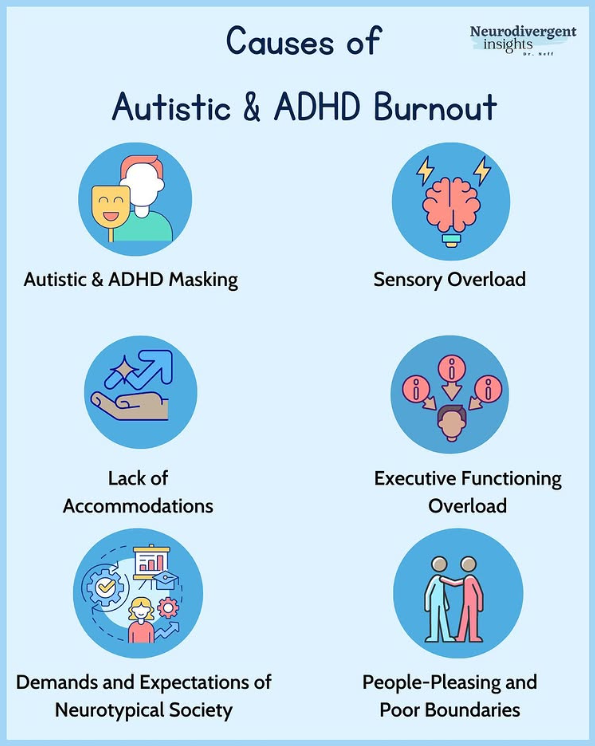
Executive Dysfunction
Research has proven that ADHD can affect executive functions [3]. Executive functions are cognitive processes that support goal-directed behavior. Simply put, they affect your brain’s ability to regulate thoughts, emotions, and actions in order to achieve your desired goals. They are involved in your time management, self-organization, impulse control, self-motivation, initiation of tasks, and attention regulation.
Adults with ADHD often experience executive dysfunction, making it harder to plan, prioritize, and stay focused. This constant mental effort can be draining and, over time, lead to burnout.
When executive dysfunction makes everyday tasks feel like an uphill battle, it's easy to see how stress can build up. The ongoing pressure to meet expectations, whether at work, at home, or in relationships, can chip away at your confidence and motivation. As a result, you may constantly feel drained and overwhelmed.
Masking ADHD Symptoms
Because of the pressure to seem "normal" or fit in, people with ADHD often feel like they have to hide their symptoms. This is a coping mechanism known as "masking."
ADHD masking refers to suppressing your symptoms and natural behaviors to live up to social and professional expectations [4]. In the long haul, this can be mentally and emotionally exhausting.
Some common masking behaviors include:
- Mimicking the behaviors of people who do not have ADHD
- Over-organizing to compensate for difficulties with focus and memory
- Starting preparations for events or appointments far in advance and arriving much earlier than necessary
- Hiding stimming or fidgeting behaviors to appear calm
- Listening very closely and carefully during conversations to keep up
- Working twice as hard to meet deadlines or complete tasks that other people seem to find simple
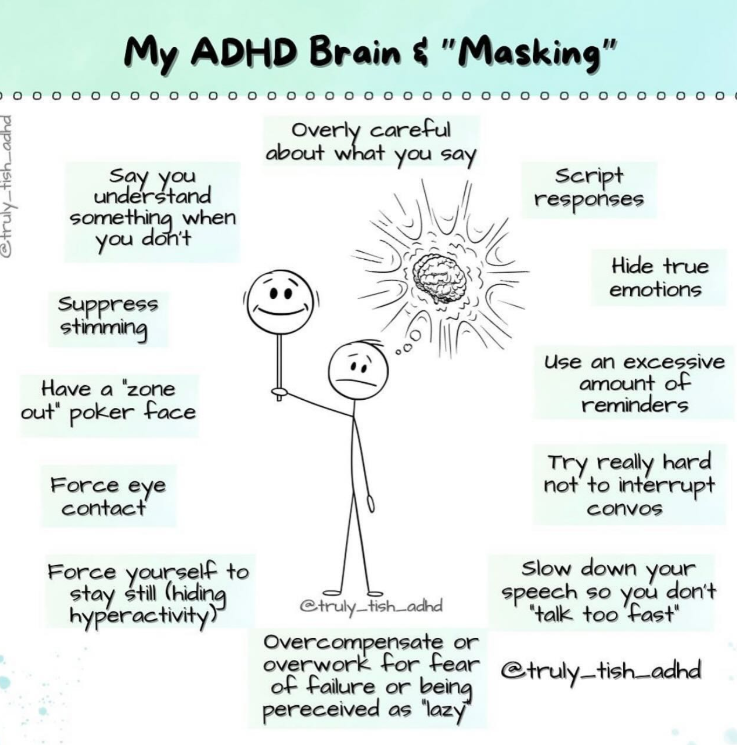
Over time, trying to "blend in" can take a serious toll, leading to exhaustion and burnout. This pressure to maintain a polished exterior can leave you frustrated and make you feel like you can never fully be yourself around others.
Lack of Effective Coping Strategies
Without effective ADHD-friendly coping strategies, stress can quickly build up and lead to an inability to start tasks, known as ADHD paralysis, as well as reduced productivity and burnout.
Many individuals turn to unhelpful coping mechanisms that provide temporary relief but ultimately worsen things. Some common ineffective coping strategies include:
- Procrastination: Putting off tasks to avoid stress, only to face even more pressure later on
- Avoidance: Sweeping specific tasks or difficult situations under the carpet instead of trying to address them
- Overcommitting: Saying yes to too many responsibilities in an attempt to prove capability
- Perfectionism: Spending too much time on unimportant details, making activities take longer than they should
- Suppressing emotions: Bottling up frustration or stress instead of finding healthy ways to process them
ADHD resources and communities can be incredibly valuable for finding practical coping strategies and learning how to thrive with ADHD. However, not everyone is aware of these resources or has easy access to them, so they may feel isolated or unsure of where to turn for support.
Overcommitment and Perfectionism
Many adults with ADHD have difficulty estimating how much time and effort tasks will take, often leading to chronic overcommitment. To compensate, some develop perfectionist tendencies, pushing themselves to meet unrealistic standards—only to end up overwhelmed and exhausted.
The excitement of starting new projects or taking on new responsibilities can make it easy to overcommit. But when ADHD symptoms make it hard to follow through consistently, unmet expectations can lead to frustration, guilt, and eventually burnout.
Signs and Symptoms of ADHD Burnout
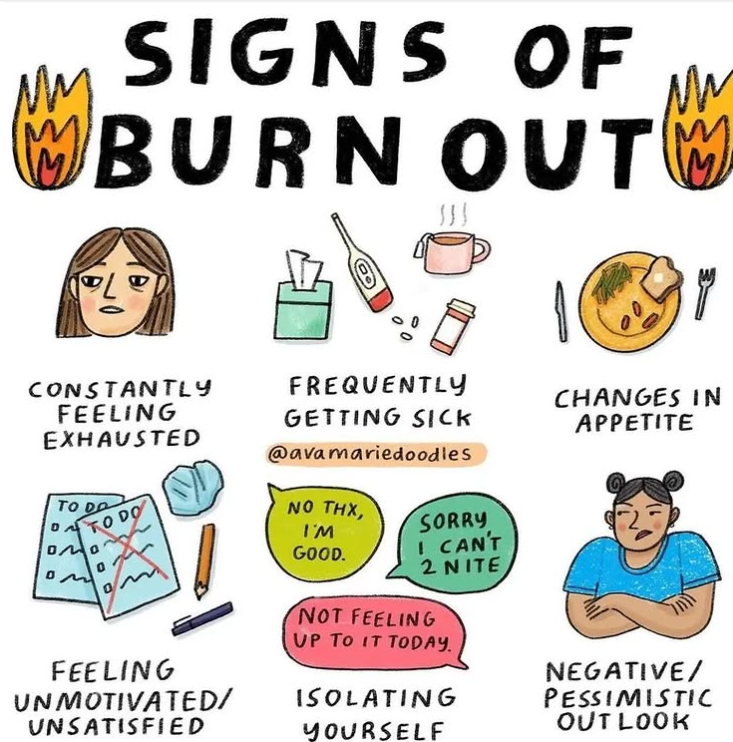
Mental and Emotional Signs of ADHD Burnout
ADHD burnout takes a serious toll on mental and emotional well-being in different ways: [5]
- Chronic mental fatigue: Feeling mentally drained no matter how much you rest
- Loss of motivation: Struggling to start or complete tasks, even ones you used to enjoy
- Emotional detachment: Feeling disconnected from people, hobbies, or goals that once mattered
- Brain fog: Trouble concentrating, making decisions, or processing information clearly
- Heightened emotional sensitivity: Reacting more intensely to stress, frustration, or criticism
- Self-doubt and guilt: Blaming yourself for struggling rather than recognizing it as burnout
These emotional struggles can trap you in a vicious cycle. Burnout symptoms may lead to greater self-criticism, which, in turn, intensifies the burnout experience.
Physical Signs of ADHD Burnout
ADHD burnout can lead to a range of distressing physical symptoms:
- Sleep disruption: Trouble falling asleep, staying asleep, or feeling rested even after sleeping [6]
- Appetite changes: Skipping meals or overeating, leading to weight fluctuations
- Physical tension: Headaches and muscle aches from chronic stress [6] [7]
- Weakened immune system: Getting sick more often due to prolonged stress
- Low energy levels: Feeling physically drained and exhausted all the time
- Neglected self-care: Struggling with basic hygiene, nutrition, or other self-care habits
- Increased sensory sensitivity: Becoming more sensitive to sounds, lights, textures, or other stimuli
These physical and mental symptoms don't exist in isolation—they feed into each other. This is why it's crucial to recognize the signs early so you can break the cycle and regain your balance.
Impact on Daily Functioning
ADHD burnout can disrupt nearly every aspect of daily functioning, making even routine tasks feel overwhelming.
Burnout can affect your daily life in the following ways:
- Reduced productivity and performance at work or school
- Fewer social interactions due to exhaustion, which can lead to isolation
- Relationship conflicts or strain due to difficulty keeping up with commitments and maintaining healthy connections
- Disorganization or increased clutter in your home
- Financial hiccups resulting from job struggles or missed payments
Addressing ADHD burnout is crucial because it can impact many different areas of life. Without intervention, these challenges can compound over time and make it harder for you to get back on track.
ADHD Burnout vs Autistic Burnout
ADHD burnout and autistic burnout share overlapping symptoms, including extreme fatigue, brain fog, and difficulties with executive functioning. Autistic burnout also comes with unique symptoms, such as increased stimming, meltdowns, shutdowns, heightened sensory sensitivities, and social withdrawal.
While both forms of burnout have similarities, their underlying causes differ. ADHD burnout is driven mainly by the mental exhaustion of managing executive dysfunction, time blindness, impulsivity, and the relentless effort to meet expectations.
In contrast, autistic burnout stems from sensory overload, social exhaustion, and the ongoing strain of masking autistic traits to fit societal norms.
Both types of burnout require rest, self-compassion, and intentional adjustments to daily routines to support long-term well-being.
The ADHD Burnout Cycle
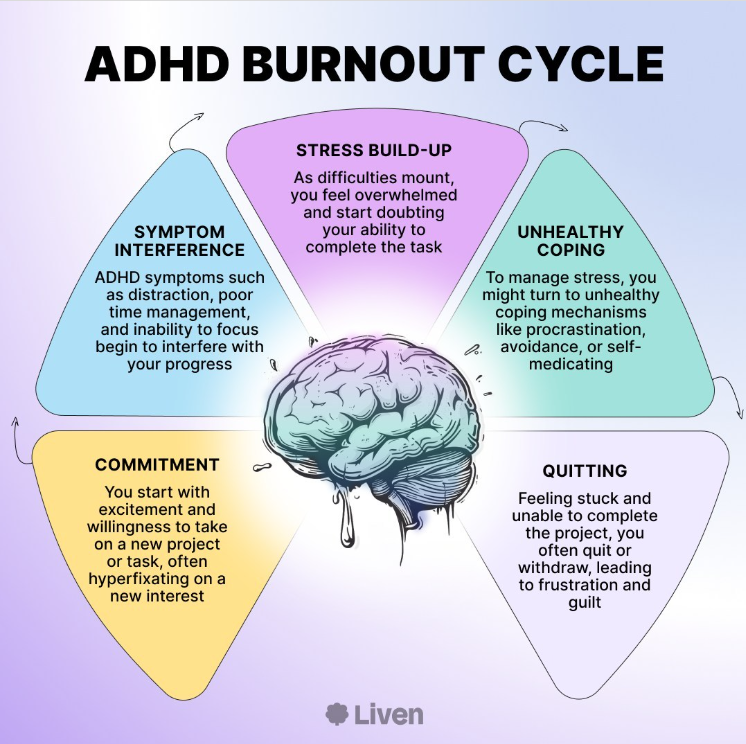
ADHD burnout often follows a predictable pattern. Learning to recognize this pattern is important so it can be interrupted before it spirals out of control.
It usually starts with enthusiasm. You may experience a surge of motivation and optimism about new projects or responsibilities. This excitement can often lead to overcommitment as you take on more tasks than you can actually handle.
As your workload increases, the struggle phase begins. Executive dysfunction in ADHD can make it harder to stay consistent, meet deadlines, or complete tasks efficiently. As a result, you may compensate by working longer hours, skipping rest, or using unsustainable and unhealthy coping mechanisms to stay afloat.
Eventually, these efforts become unsustainable, leading to overwhelm and exhaustion, and even the simplest responsibilities begin to feel impossible.
Eventually, you may reach the breaking point, leading to burnout. This is when you experience energy crashes, low motivation, and hopelessness. Over time, there may be a recovery period where you might rebuild your energy and capacity. However, without meaningful intervention, this cycle can repeat and lead to burnout again.
Strategies to Recover from ADHD Burnout
Prioritize Rest and Self-Care
Recovering from ADHD burnout starts with giving yourself permission to rest and care for your mind and body in a way that truly supports you.
Here are some key ways to prioritize self-care:
- Improve sleep hygiene: Establish a consistent bedtime routine, limit screen time before bed, and create a cool, dark sleep environment to improve rest quality.
- Nourish your body: Eat balanced and nutritious meals to provide your brain the fuel it needs to function at its best.
- Move in ways that feel good: Whether it's stretching, walking, or dancing, physical activity can help release built-up stress and boost energy levels.
- Engage in restorative activities: Spend time in nature, explore creative hobbies, or try mindfulness practices that help you recharge.
- Embrace rest without guilt: Understand that taking breaks isn't lazy—it's necessary. You may also need to reduce your responsibilities temporarily as you recover.
Remember that true rest isn't just about taking a break. It involves creating a lifestyle that prevents burnout from creeping back in.
Set Realistic Expectations and Boundaries
Having realistic expectations and setting clear boundaries can help reduce or prevent burnout.
Here are some ways to do so:
- Instead of attempting a huge project head-on, deconstruct it into smaller and more achievable goals
- Learn to be okay with saying "no" if you're not able to cope with additional responsibilities or duties
- Be willing to seek or accept help from others when you know you've reached your limit
- Abandon perfectionism and start adopting a "good enough" mindset when appropriate
Develop an ADHD-Friendly Toolkit
Building a personalized ADHD toolkit can help you prevent or manage burnout more effectively.
One powerful technique is the Pomodoro method, which alternates focused work sessions with short breaks to boost productivity. Visual reminders, timers, and productivity apps can also improve time management, focus, and organization, making daily tasks more manageable.
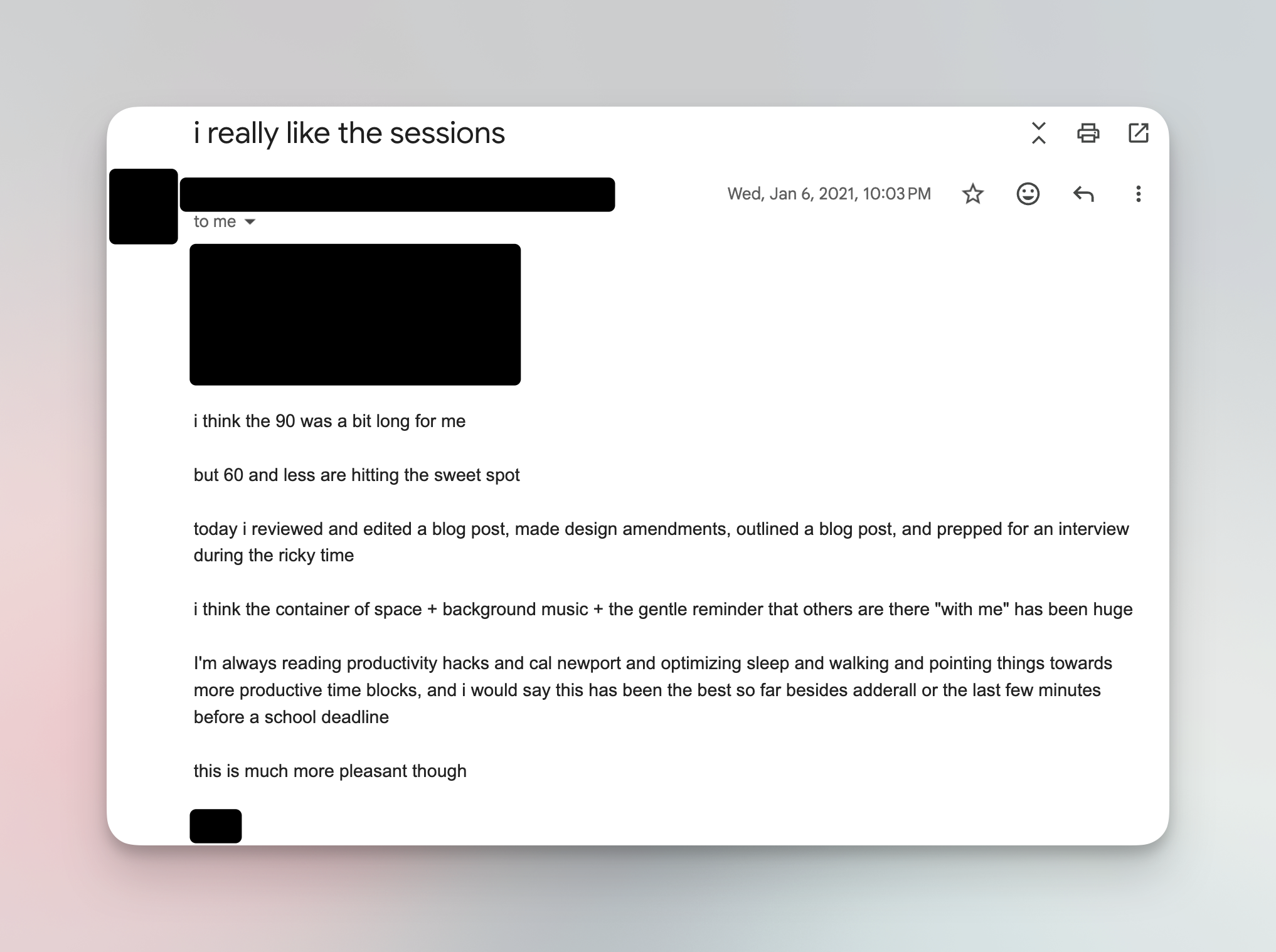
Another helpful strategy is body doubling. This involves working alongside someone else to boost accountability and break through procrastination or ADHD paralysis.
Apart from these strategies, you can also consider requesting ADHD workplace accommodations from your employer. These accommodations, such as a quiet workspace, noise-canceling headphones, or a flexible work schedule, may help you better manage tasks and responsibilities at work.
For some, medication may play a key role in symptom management. If you're considering this option, consulting a healthcare provider can help determine whether it's the right fit for you. Additionally, seeking support from therapists, ADHD coaches, or support groups can also be a way to gain valuable guidance and advice for building sustainable coping strategies.
Cultivate Self-Acceptance and Community
Recovering from ADHD burnout also involves embracing self-acceptance and surrounding yourself with the right support system.
Start by challenging negative self-perceptions and recognizing when you're being overly harsh on yourself. Instead of focusing on what you didn't do, celebrate small wins. Every achievement, no matter how big or small, is a step forward.
Connecting with the ADHD community can be incredibly helpful. Support groups, online forums, and social media communities offer a space to share experiences and find support or encouragement from those who have been in your shoes.
When to Seek Professional Help
While self-help strategies are valuable, professional support may be necessary when:
- Burnout symptoms persist despite your best efforts
- You experience signs of depression or anxiety alongside burnout
- Functioning in daily life becomes close to impossible
- You're considering changes to medication or treatment plans
It's always best to seek help from a trained medical professional, as they are in the best position to assess your symptoms and help you find practical solutions.
The Path Forward
ADHD burnout can feel overwhelming and isolating, but you're not alone. With the right strategies, support, and self-compassion, you can break free from the cycle and create a more sustainable, balanced approach to daily life.
Setbacks are a natural part of the process, but the more you understand yourself and your ADHD, the better equipped you'll be to prevent and manage burnout.
If you're looking for a supportive community to help you stay focused and productive, consider joining spaces designed specifically for adults with ADHD. Flow Club, for example, offers a structured environment where you can harness the power of body doubling to boost your motivation and accountability.
FAQs
What is ADHD burnout?
ADHD burnout is a state of mental, emotional, and physical exhaustion that is typically caused by the stress and pressure of managing ADHD symptoms. It often results from pushing too hard to keep up with daily responsibilities while struggling with executive dysfunction, time blindness, and impulsivity.
How can I recover from ADHD burnout?
Recovering from ADHD burnout requires rest, self-compassion, and adjustments to daily routines. Prioritizing sleep, nutrition, and regular exercise can help improve your mood and restore energy levels. Additionally, you can experiment with ADHD-friendly strategies, such as the Pomodoro technique, body doubling, and visual reminders, to make tasks more manageable. You can also seek support from therapists, ADHD coaches, or support groups.
What does ADHD burnout feel like?
ADHD burnout can feel like a persistent mental fog, extreme fatigue, a lack of motivation, and a loss of enjoyment for the things you once looked forward to. Many people also experience heightened sensitivity to stress, feelings of guilt and failure, and lower productivity or performance at work or school.
How long does ADHD burnout last?
The duration of ADHD burnout varies from person to person. Some may recover in a few days or weeks with proper rest and support, while others may struggle for months if burnout is severe and left unaddressed. The key is to address burnout promptly rather than pushing through it.
How can I get out of ADHD burnout?
To break free from ADHD burnout, start by acknowledging that rest is necessary, not a luxury. Reduce unnecessary commitments and allow yourself guilt-free downtime. You can also explore ADHD-specific tools that make life easier. Additionally, you may consider seeking professional help to develop personalized strategies for managing your symptoms.
Note: This article is for informational purposes only and does not constitute medical advice. Always consult qualified healthcare providers regarding ADHD symptoms, diagnosis, and treatment options.
References
[1] Turjeman-Levi, Y., Itzchakov, G., & Engel-Yeger, B. (2024). Executive function deficits mediate the relationship between employees' ADHD and job burnout. AIMS public health, 11(1), 294–314. https://doi.org/10.3934/publichealth.2024015
[2] Soler-Gutiérrez, A. M., Pérez-González, J. C., & Mayas, J. (2023). Evidence of emotion dysregulation as a core symptom of adult ADHD: A systematic review. PloS one, 18(1), e0280131. https://doi.org/10.1371/journal.pone.0280131
[3] Roselló, B., Berenguer, C., Baixauli, I., Mira, Á., Martinez-Raga, J., & Miranda, A. (2020). Empirical examination of executive functioning, ADHD associated behaviors, and functional impairments in adults with persistent ADHD, remittent ADHD, and without ADHD. BMC psychiatry, 20(1), 134. https://doi.org/10.1186/s12888-020-02542-y
[4] Ginapp, C. M., Greenberg, N. R., MacDonald-Gagnon, G., Angarita, G. A., Bold, K. W., & Potenza, M. N. (2023). The experiences of adults with ADHD in interpersonal relationships and online communities: A qualitative study. SSM - Qualitative Research in Health, 3(100223), 100223. https://doi.org/10.1016/j.ssmqr.2023.100223
[5] Khammissa, R. A. G., Nemutandani, S., Feller, G., Lemmer, J., & Feller, L. (2022). Burnout phenomenon: neurophysiological factors, clinical features, and aspects of management. The Journal of international medical research, 50(9), 3000605221106428. https://doi.org/10.1177/03000605221106428
[6] Hammarström, P., Rosendahl, S., Gruber, M., & Nordin, S. (2023). Somatic symptoms in burnout in a general adult population. Journal of Psychosomatic Research, 168, 111217. https://doi.org/10.1016/j.jpsychores.2023.111217
[7] Balajti, L., Horvath, L., Fejes, E., Tibold, A., Kobolka, I., Zadori, I., Berke, G., Banko, Z., Springó, Z., & Feher, G. (2024). The Possible Association of Burnout and Neuropathic Low Back Pain Among Hungarian Postal Workers: A Cross-Sectional Study. Journal of multidisciplinary healthcare, 17, 5237–5250. https://doi.org/10.2147/JMDH.S469804


.jpg)


